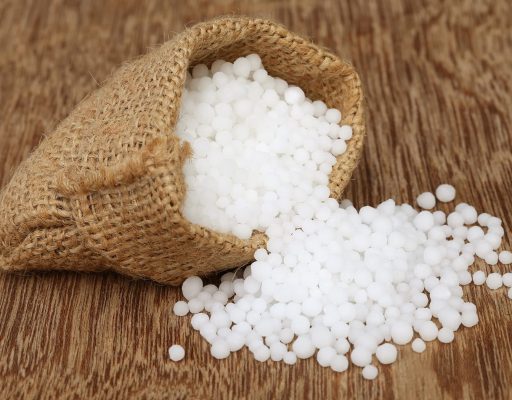
UREA FERTILIZER N46% (CARBAMIDE)

urea suppliers
Product
Urea N46%
Packaging
50 Kg Bags/ 1 MT Big Bag
Price
Negotiable
Payment terms
Negotiable
Delivery Terms
FOB , CFR , CPT
Min order
300 MT
HS Code
31021000

The global market value of urea fertilizer was reported at $131.54 billion in 2022, and it is projected to reach $160.78 billion by 2032. This means the global urea fertilizer market is expected to grow by 2.03% annually from 2023 to 2032, indicating an increasing number of customers for this product each year. The growing demand for high-quality urea fertilizer across various industries has led Ishtar Company to add this product to its portfolio, aiming to become one of the leading suppliers in the Middle East. If you are also looking to purchase high-quality urea fertilizer at competitive prices, this content will guide you in achieving your goal.

What is Urea Fertilizer? An Overview of the Physical and Chemical Properties of Carbamide

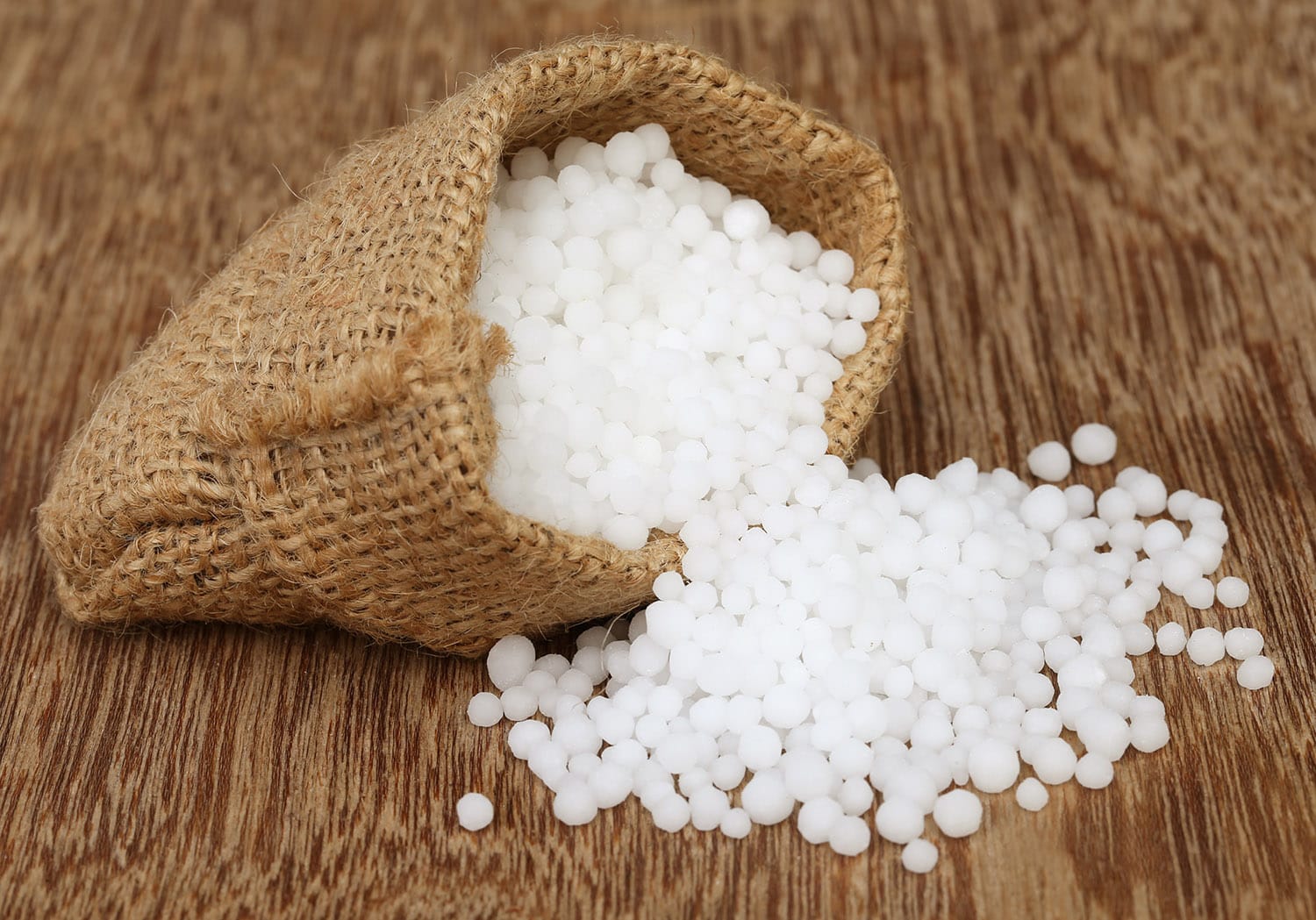
Urea fertilizer, also known as carbamide, is an organic chemical compound that appears as white crystalline granules with a neutral pH. It is produced through the reaction of ammonia with carbon dioxide and is available in the market as granular urea or cylindrical tablets.

Urea is odorless and readily dissolves in water. However, experience shows that the evaporation rate and leaching percentage of urea are higher in tablet form. The urea fertilizer composition is CO(NH₂)₂, and its molar mass is 60.06 grams per mole. Interestingly, urea naturally occurs in the urine of mammals. The relative density of carbamide based on formula of urea fertilizer is approximately 1.32 grams per cubic centimeter, and it melts at around 132 degrees Celsius.

Under normal conditions, urea is stable; however, there is a risk of decomposition if temperature and humidity levels rise. The purest form of urea fertilizer is N46% urea, commonly referred to as simple urea, which contains 46% nitrogen.

Urea fertilizer is a chemical fertilizer used in agriculture as a source of nitrogen and is considered an economical option for nitrogen supply. Other names for urea include carbonic acid amide, carbamide, urea acid, carbonyl diamide, carbonyl diamin, and isouron.

Urea fertilizer N46% indicates that this type of fertilizer contains 46% nitrogen, which is why it is sometimes referred to as nitrogen urea fertilizer. Nitrogen is one of the essential elements for plant growth and plays a crucial role in the formation of proteins, nucleic acids, and chlorophyll.

How is Urea Fertilizer Produced?

One of the key questions about carbamide is: how is urea fertilizer made and where is urea produced? The production of carbamide requires two main raw materials: ammonia (NH₃) and carbon dioxide (CO₂). Ammonia is produced by combining hydrogen and nitrogen under high temperature and pressure, while carbon dioxide is obtained through industrial processes such as ammonia production.

Urea export of Barus Golden Company

The production of urea fertilizer is a complex and sensitive process that requires advanced technology and equipment. This process is aimed at producing a high-quality and efficient fertilizer for agricultural use. Below is a brief explanation of the urea production process:

  • In the first stage, ammonia and carbon dioxide react in a high-pressure, high-temperature reactor to produce ammonium carbamate.
  • Once ammonium carbamate is formed, it enters another reactor where, under precise temperature and pressure conditions, it is converted into urea. Water is produced as a byproduct at this stage.
  • The mixture from the second stage is then transferred to a distillation column. In this column, excess ammonia and carbon dioxide are recovered and returned to the previous reactors.
  • The concentrated urea solution from the distillation column is sent to a crystallizer, where urea crystallizes into white solid granules. The urea crystals are separated, dried, and packaged for sale as urea fertilizer N46%.

To simplify the chemical reactions that lead to the production of urea fertilizer formula, we can represent them as follows:

2NH₃ + CO₂ ⇔ NH₂COONH₄
NH₂COONH₄ ⇔ H₂O + CO(NH₂)₂

When urea is applied to soil, it converts into ammonium bicarbonate and releases gas. If the gas is not well-contained in the soil, the nitrogen absorption will be low. Granulated forms of urea fertilizer have a lower gas emission rate and are 15-20% more efficient than standard forms, which has led to increased production of granulated urea.Urea export of Barus Golden Company

Applications of Urea Fertilizer in Various Industries

Below are some of the most important and common applications of urea fertilizer across different industries:

1. Agriculture

The primary use of urea fertilizer is in agriculture, particularly for grass and plants. The nitrogen content in urea is essential for the vegetative growth of plants and helps increase crop yield. Using urea can enhance the quality of agricultural products in terms of size, color, and taste. Additionally, urea helps stabilize soil and reduce erosion.

2. Textile Industry

Urea also finds application in the textile industry. It is used in the production of urea-formaldehyde resins, which are applied to make fabrics wrinkle-resistant and stain-resistant. Urea is also used in the dye fixation process on textile fibers.

3. Pharmaceutical Industry

The pharmaceutical industry is another sector that utilizes urea in its products. Some derivatives of urea are used in the production of sedative medications. Additionally, urea is used in the manufacturing of certain disinfectants.

4. Plastics Industry

Urea is used in the production of urea-formaldehyde resins. These resins are formed by the reaction of urea with formaldehyde and are known for their high adhesive strength, heat and moisture resistance, excellent electrical insulation properties, and cost-effectiveness. Urea-formaldehyde resins are widely used in industries such as wood, construction, automotive, electrical, and textiles.

How to Apply Urea Fertilizer?

To maximize the effectiveness of urea for plants and agricultural crops, it is important to learn the proper application methods. Below are some key points on how to use this product:

  • Application Rate: The amount of urea fertilizer required depends on several factors such as the type of plant, growth stage, soil type, weather conditions, and the existing nitrogen levels in the soil. To determine the correct application rate for your plants and soil, it is advisable to consult an experienced agricultural expert or knowledgeable farmer.
  • Application Methods: There are various ways to apply urea fertilizer. One common method is foliar spraying, while another is soil injection. In foliar spraying, urea is dissolved in water and sprayed onto the leaves of the plants. This method is particularly effective for plants that can directly absorb urea, such as potatoes, wheat, vegetables, and soybeans. In soil injection, urea fertilizer is spread in powdered form over the soil surface, or it is placed in small holes dug around the plants. In this method, the urea undergoes a decomposition process, converting into nitrates and ammonium with the help of enzymes in the soil. While this can take several weeks, studies show that plants absorb ammonium and nitrate more efficiently and in higher amounts.
  • Timing of Application: The timing of urea application depends largely on the type of soil and plant. Applying urea before planting allows the plants to gradually utilize the nitrogen. Mixing urea into the soil at the time of planting gives the plants quick access to nitrogen. Urea can also be applied several times throughout the growing season to meet the plant’s nitrogen needs as it grows.

Question: How to Mix Urea Fertilizer with Water?

To mix urea with water, use a clean, large plastic container, as metal containers can react with the fertilizer. Measure the required amount of urea according to the fertilizer instructions and the needs of your plants. For better dissolution, it’s recommended to use lukewarm water.

First, pour the water into the container, and then slowly add the urea. Stir continuously to ensure the urea dissolves completely in the water. Use a wooden stirrer or spoon to gently stir the mixture, avoiding vigorous stirring.

Once the urea has fully dissolved, let the solution sit for a few minutes to allow any particles to settle at the bottom. Now, the solution is ready for foliar spraying. Use the prepared solution immediately and avoid storing it for an extended period.

Question: When to Apply Urea Fertilizer to Maize?

According to agricultural experts and specialists, the best time to apply urea fertilizer to corn is during the early stages of growth, typically within the first 25 to 75 days of development. During this phase, corn plants grow rapidly and have a high demand for nitrogen. Applying urea during this period promotes the growth of leaves, stems, and roots. If urea is not applied at this stage, corn may suffer from nitrogen deficiency.

The exact timing of urea application depends on local weather conditions and the specific corn variety. It is generally recommended to apply urea when the corn plant has at least 5 to 7 leaves. In regions facing water shortages, urea can be applied as a foliar spray during the growth stage. This method allows for quicker absorption by the plant and minimizes fertilizer loss.

Urea export of Barus Golden Company

Benefits of Using Urea Fertilizer

Here are a few key benefits of using carbamide:

  • The nitrogen in urea plays a vital role in the production of chlorophyll and plant proteins. As a result, using urea fertilizer boosts vegetative growth, increases the number of leaves and stems, and ultimately expands leaf area.
  • Urea enhances crop yield and productivity, making it highly beneficial for grasses, other plants, and crops.
  • Urea not only improves the quantity of the crop but also enhances its quality. Proper use of this fertilizer leads to larger fruits, improved color, and better taste.
  • Plants nourished with urea fertilizer exhibit greater resistance to environmental stressors such as drought, soil salinity, and diseases.
  • Due to its large-scale production, urea is affordable and easily accessible to farmers.

Safety Tips for Using Urea Fertilizer

Due to the chemical properties of urea fertilizer, certain safety precautions must be followed to prevent potential harm. Below are a few key safety tips when using different types of urea fertilizers (granular and powdered):

  • Always store urea in its original, intact packaging. Keep it in a dry, cool place, away from heat sources and moisture. Store urea separately from flammable substances such as oil and other chemicals, and avoid keeping it near food products.
  • When handling urea, always wear gloves and a mask to prevent direct contact with the skin and respiratory system. It’s also recommended to use safety goggles to protect your eyes. Wear long-sleeved clothing and long pants. After applying urea fertilizer, water the area to dissolve the fertilizer in the soil and prevent the release of ammonia gas. Avoid inhaling urea dust.
  • In case of contact with skin or eyes, immediately rinse the affected area with plenty of water and seek medical attention. If urea is ingested, seek medical assistance right away and bring the packaging with you.

How Much Does Urea Fertilizer Cost? Understanding the Price of Urea Fertilizer

The price of urea fertilizer depends on various factors such as quality, the reputation of the manufacturer, shipping costs, production equipment, the region of production, raw material expenses, and more. Additionally, the order volume can also influence the price of urea fertilizer N46%.

For an accurate urea fertiliser price and more information on this product, contact (+971) 524403255. The experts at Ishtar Company are ready to supply you with all the essential information, including pricing and product specifications.

Where to Buy Urea Fertilizer? Ishtar Company: A Proven Urea Fertilizer Supplier

In this content, we aimed to discuss urea fertilizer, its production methods, applications, and various types. We hope the points mentioned have helped increase your awareness of this widely used product.

If you’re looking to purchase urea fertilizer N46%, we recommend approaching stores and companies that guarantee the quality of the product they offer and provide urea with excellent quality at standard, competitive prices.

Ishtar Company, a subsidiary of the Barus Holding Group, is a N46% urea fertilizer supplier, operating professionally and specializing in this field. The company collaborates with leading urea fertilizer manufacturers of this product worldwide and consistently strives to supply urea with excellent quality and reasonable pricing to customers across the Middle East.

Ishtar Company supplies urea in 50 kg bags and 1-ton big bags, offering delivery under FOB, CFR, and CPT terms. The stuffing tonnage of urea in a 20-foot container is 21.4 tons for packaging in 50-kilogram bags, and 20 tons for packaging in 1-ton jumbo bags. Both pricing and payment conditions are fully negotiable. The minimum order quantity for urea from Ishtar Company is 500 tons. For more information or to place an order, contact (+971) 524403255, and Ishtar’s experts will provide you with all the necessary details and register your order.

Ishtar Company is able to supply the highest quality granular or prilled urea fertilizer (Carbamide)
Category
Similar products
Do you have any enquiry?

Do not hesitate to contact us or submit a business enquiry online.

Download

Urea Granula
Urea Prilled