
Sulfur Granules – Bulk Supplier of Agricultural & Industrial Grade Sulphur

granular sulphur2
Product
Sulfur
Packaging
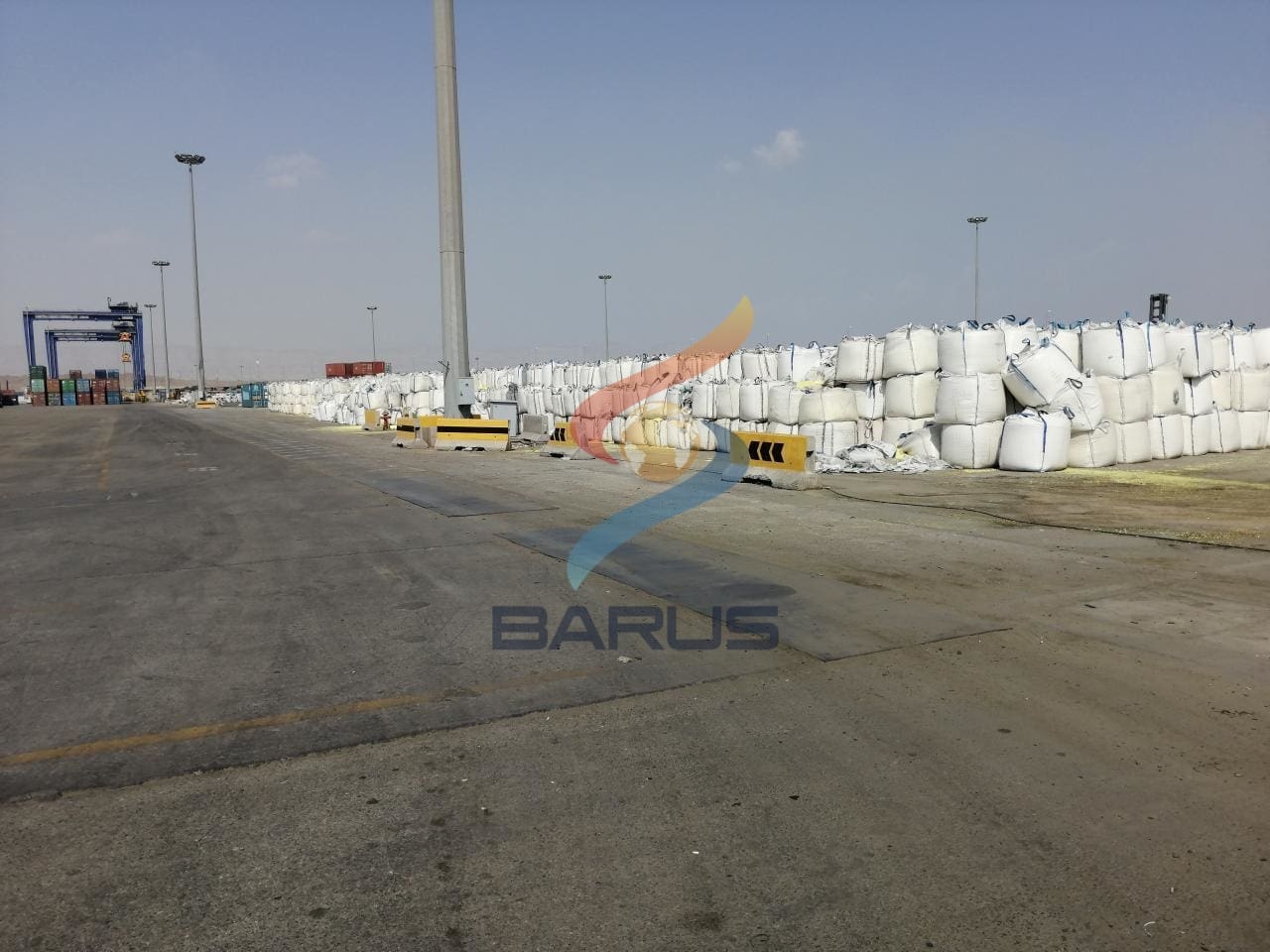
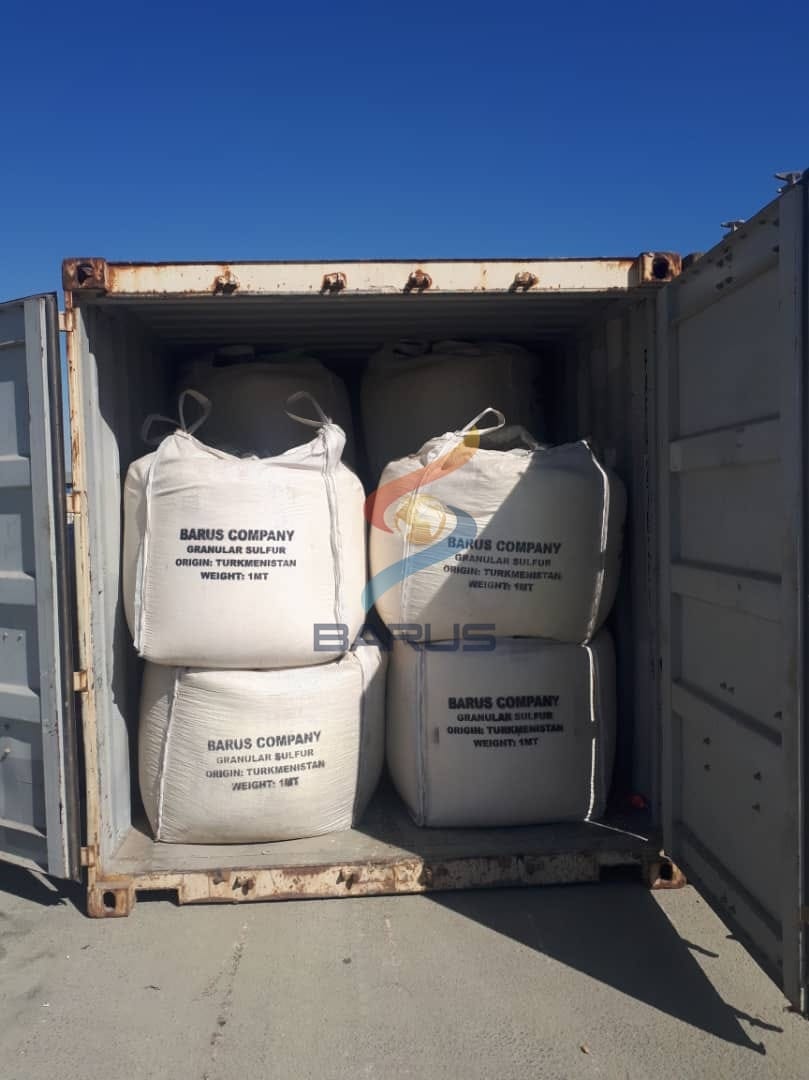
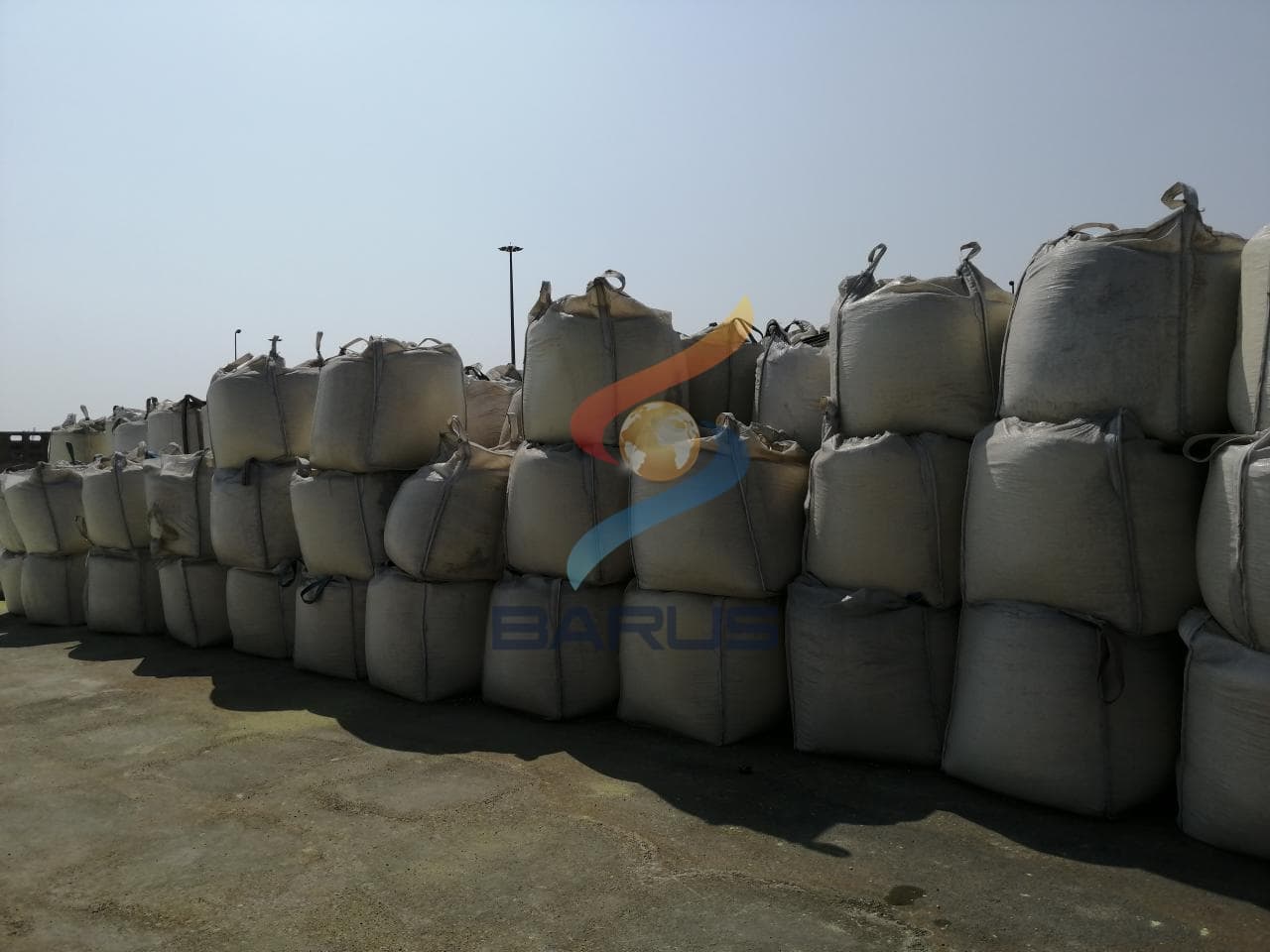
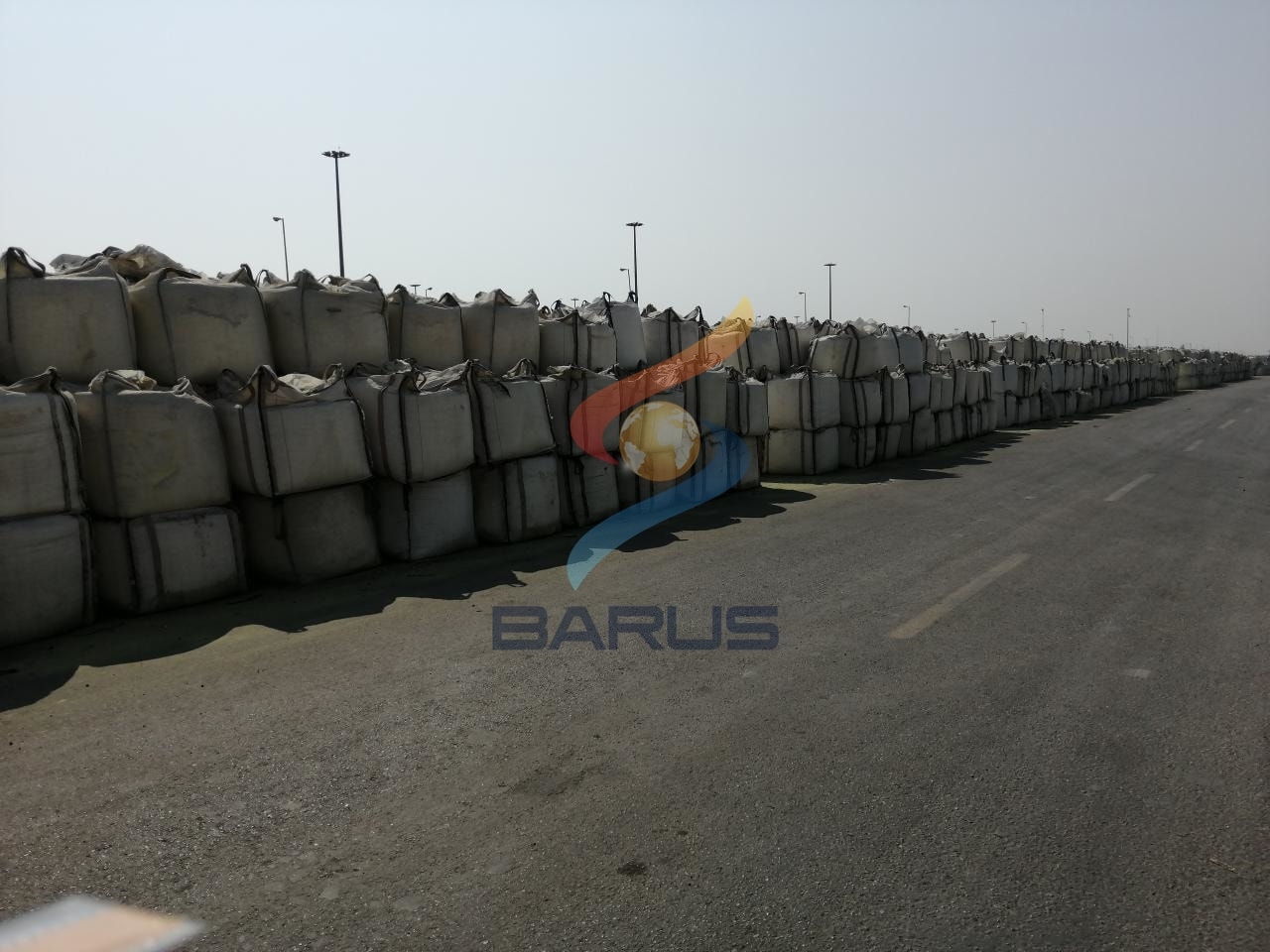
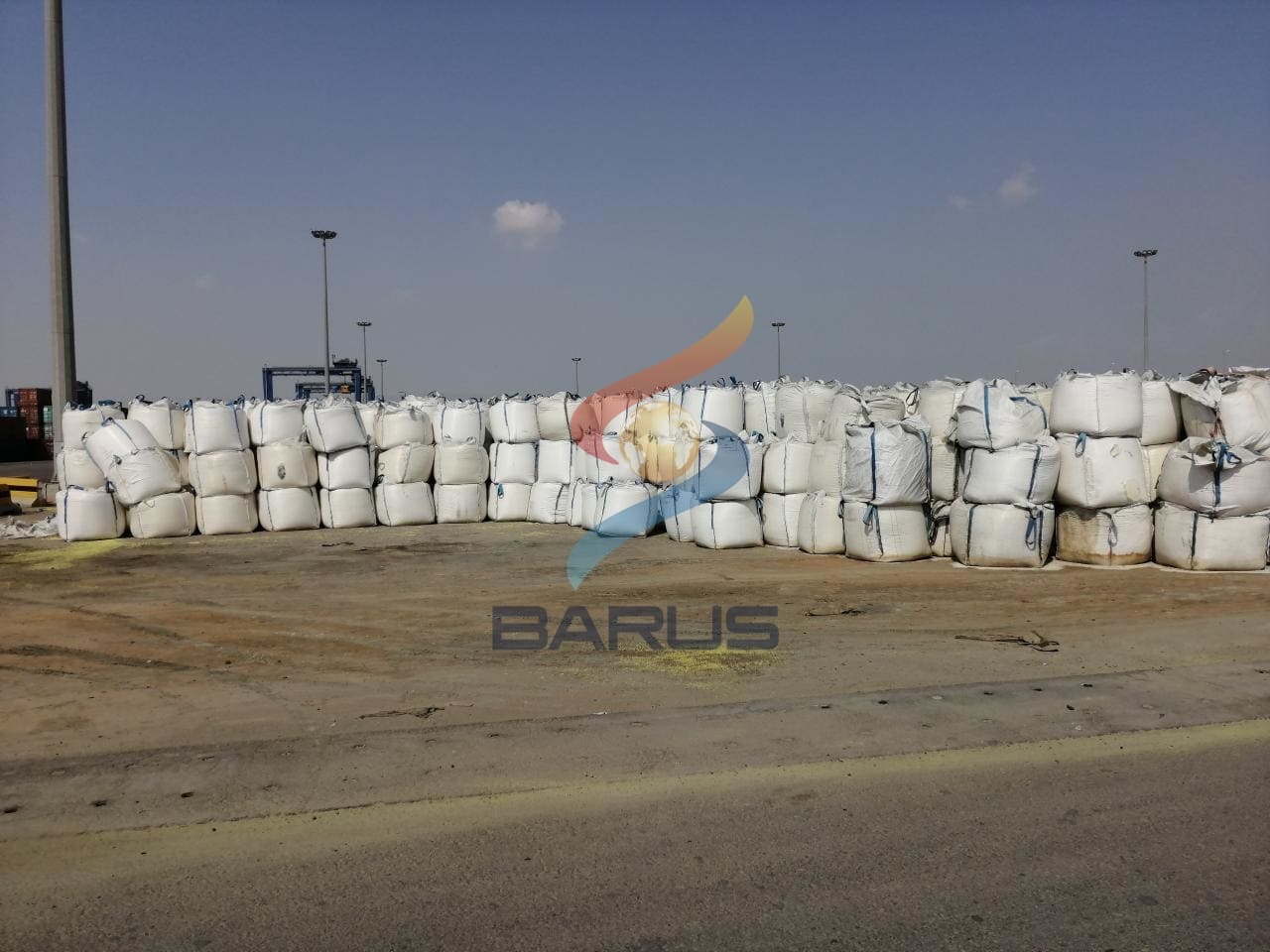
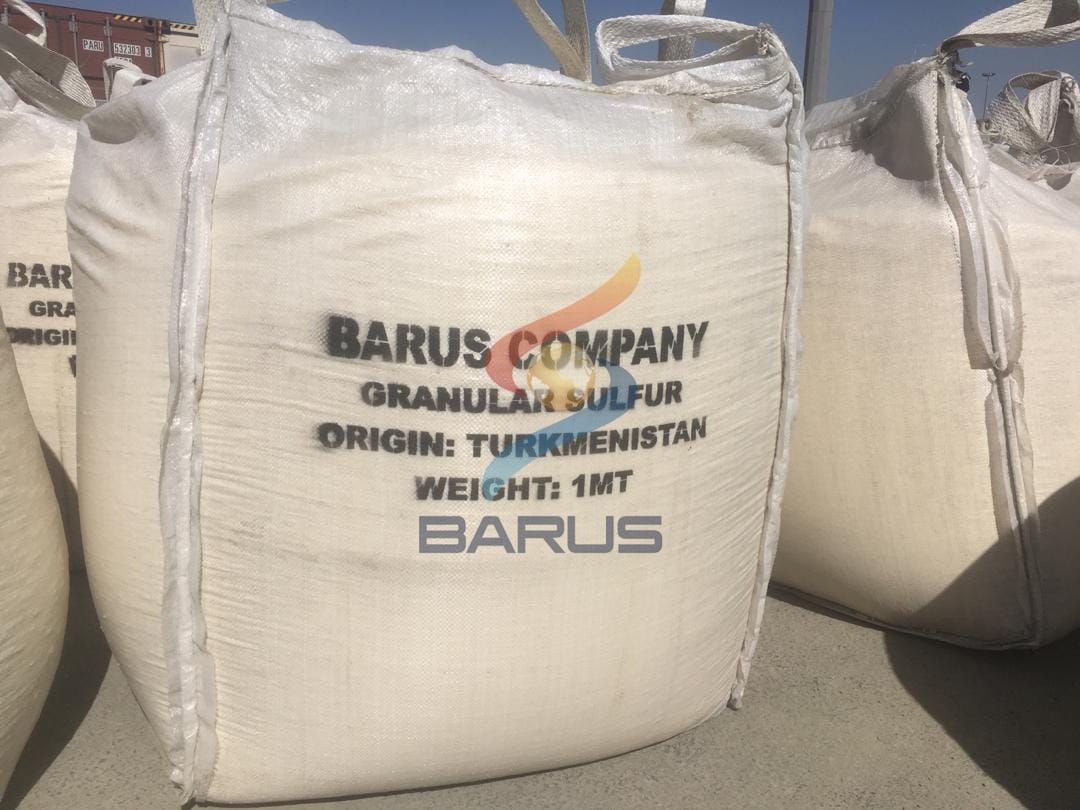
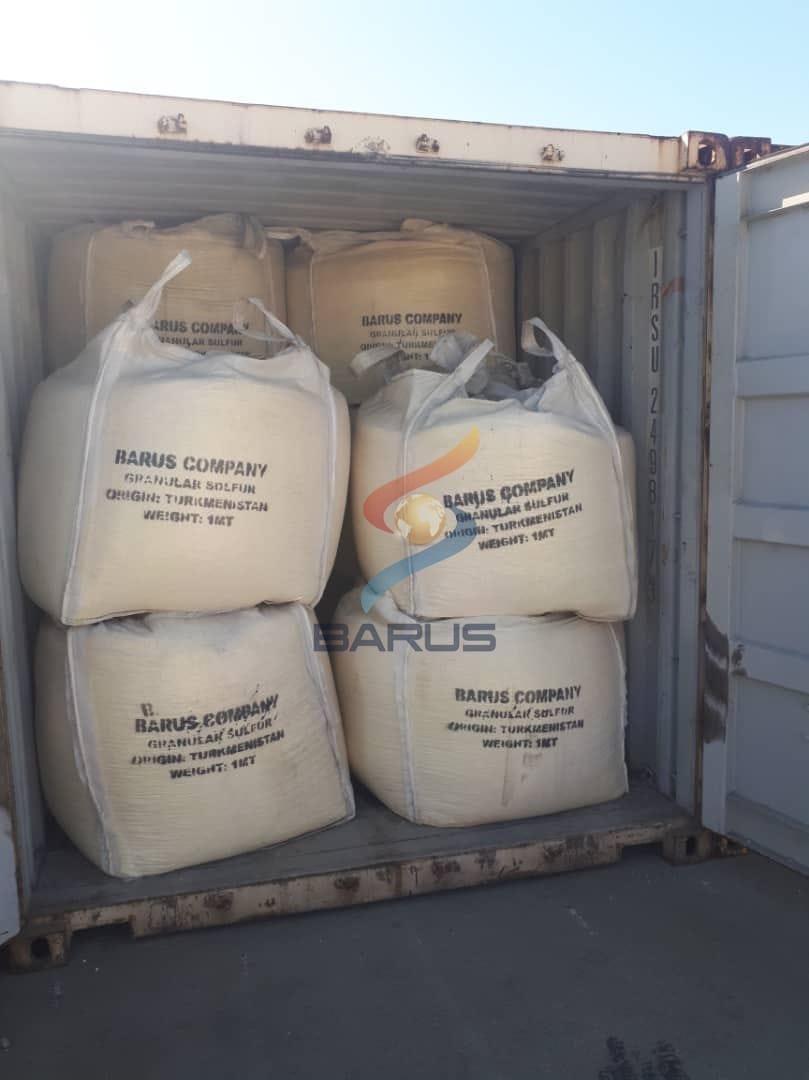
Bulk, Big Bag 1 MT
Price
Negotiable, depending on the amount of the order
Payment terms
Negotiable, T/T , DLC
Delivery Terms
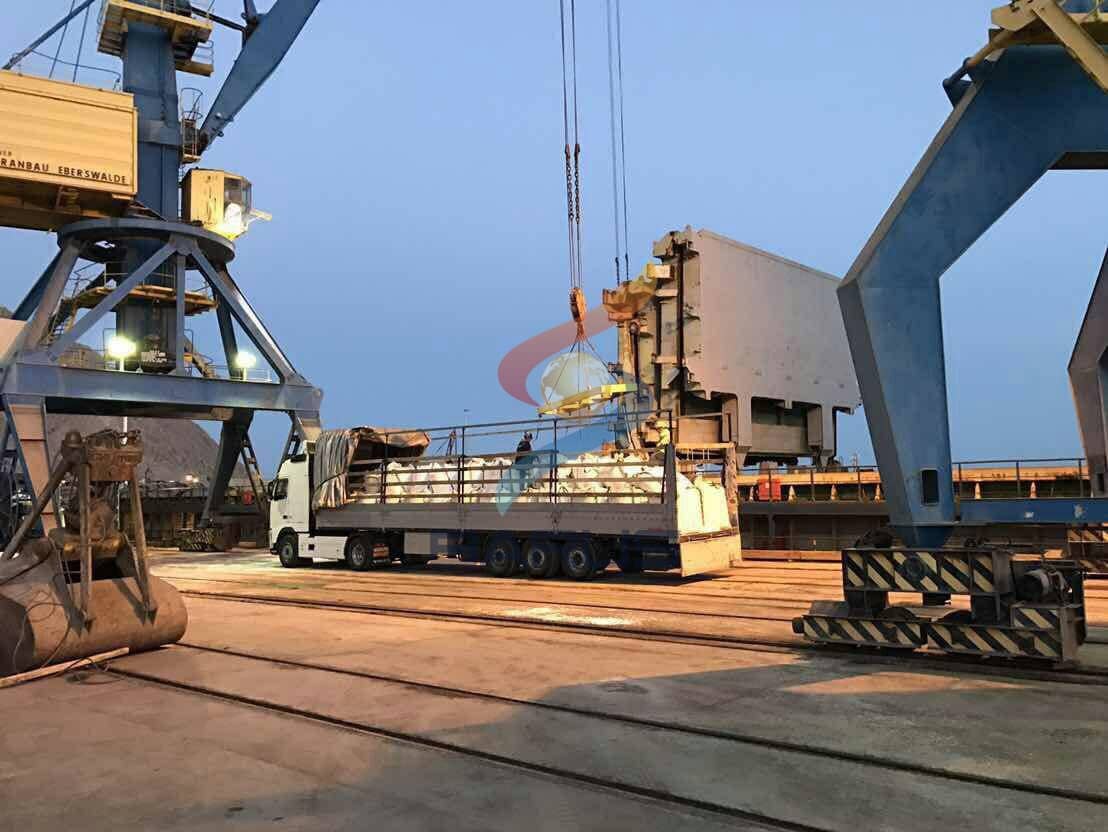
CIF, CFR, CPT and FCA
Min order
100 MT
HS Code
25030090

Sulfur is one of the most important agricultural and industrial raw materials and is considered a strategic product sulfur is an odourless, tasteless and polyvalent nonmetal which is mostly in the form of yellow crystals and is obtained from sulphide and sulphate. Sulphur occurs naturally in the environment and is the thirteenth most abundant element in the earth’s crust. It can be mined in its elemental form, although this method has declined over the last decade to less than 2% of world production. Today most elemental sulphur is obtained as a co-product recovered from oil and gas production in sweetening process.

Sulphur is the primary source in the production of sulphuric acid, the world’s most widely used chemical. Sulphuric acid is an essential intermediate in many processes in the chemical and manufacturing industries. Sulphuric acid also is used by the fertilizer industry to manufacture primarily phosphates, nitrogen, potassium, and sulphate fertilizers.

Sulfur reacts directly with methane to give carbon disulfide, used to manufacture cellophane and rayon. One of the direct uses of sulfur is in vulcanization of rubber, where polysulfide chains crosslink organic polymers. Large quantities of sulfites are used to bleach paper and to preserve dried fruit. Many surfactants and detergents (e.g. sodium lauryl sulfate) are sulfate derivatives. Calcium sulfate, gypsum, is mined on the scale of 100 million tonnes each year for use in Portland cement and fertilizers. Sulphur is increasingly used as a component of fertilizers. Sulfur can be used in agriculture and various industries such as plastics and many synthetic products, paper, paint, etc.

The increasing demand from the fertilizer manufacturing sector, coupled with increasing usage of sulfur for vulcanization of rubber are the main factors driving the growth of the global sulfur industry. Moreover, owing to the fall of crude prices, refineries across the globe are engaging in capacity expansion and other brownfield activities, leading to higher demand for sulfur. The demand for sulfur is also anticipated to be driven by the increasing usage of elemental sulfur as a major ingredient in the vulcanization process implemented to manufacture rubber. However, the enactment of stringent environmental regulations restricting the usage of sulfur and the high costs associated with its mining, are the key factors hindering the sulfur market growth.

The global market is segmented based on end-user applications, including agrochemicals, chemical processing, metal manufacturing, petroleum refining, and others. In 2016, the agrochemical industry occupied the largest share in terms of sulfur consumption. It is expected that the healthy growth of the phosphate fertilizer market will drive the global sulfur market over the forecast year.

Geographically, the market has been segmented into North America, South America, Europe, Asia-Pacific, and Middle East & Africa. Asia-Pacific represents the largest market in terms of consumption and production of sulfur. In the region, China is expected to be one of the largest producers of sulfur and sulfuric acid. Currently, the country imports more than a third of the global sulfur` trade. This group is able to provide sulfur with the highest quality in two kinds of granule and lump.

For plants and trees to achieve optimal yield, in addition to water, sunlight, suitable air, and fertile soil, they also require high-quality fertilizers. One of the most effective and widely used fertilizers in the agricultural industry is sulfur granule or sulphur lump. This type of fertilizer is produced and marketed in both mineral (organic sulfur) and industrial forms, and it varies in sulfur content. The granular sulfur market value was reported to be $92.1 billion in 2023, projected to reach $164.26 billion by 2031. The growing demand for this product in various industries, including agriculture, continues to increase.

In the following, we will provide comprehensive information about granular sulfur. If you are also looking to purchase this product, stay with us until the end of this content.

What is Sulfur Granule? Understanding the Characteristics of Granular Sulphur

Granulated sulphur is essentially raw sulfur that is produced in two ways: first, by mining extraction, and second, through production in oil and gas refineries. Sulfur is naturally found in a pure form and is available in the market as lump sulfur or granular sulfur. Due to its properties, sulfur is used in various industries, including agriculture, rubber manufacturing, papermaking, and chemical industries.

Granular sulphur fertilizer is one of the most widely used fertilizers, consisting of a significant percentage of sulfur. It should be applied to the soil before planting. This product, available in both natural and oil-based forms, breaks down after being added to the soil, meeting the sulfur needs of plants. Additionally, it helps to amend alkaline soil structure.

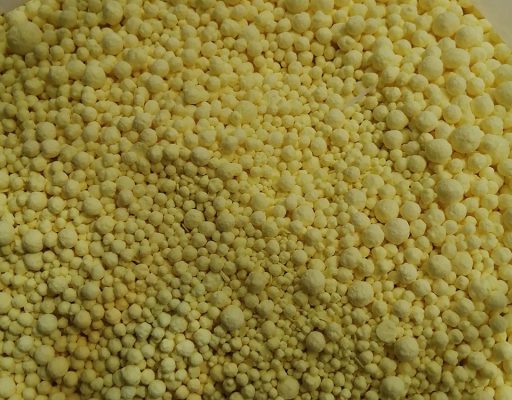
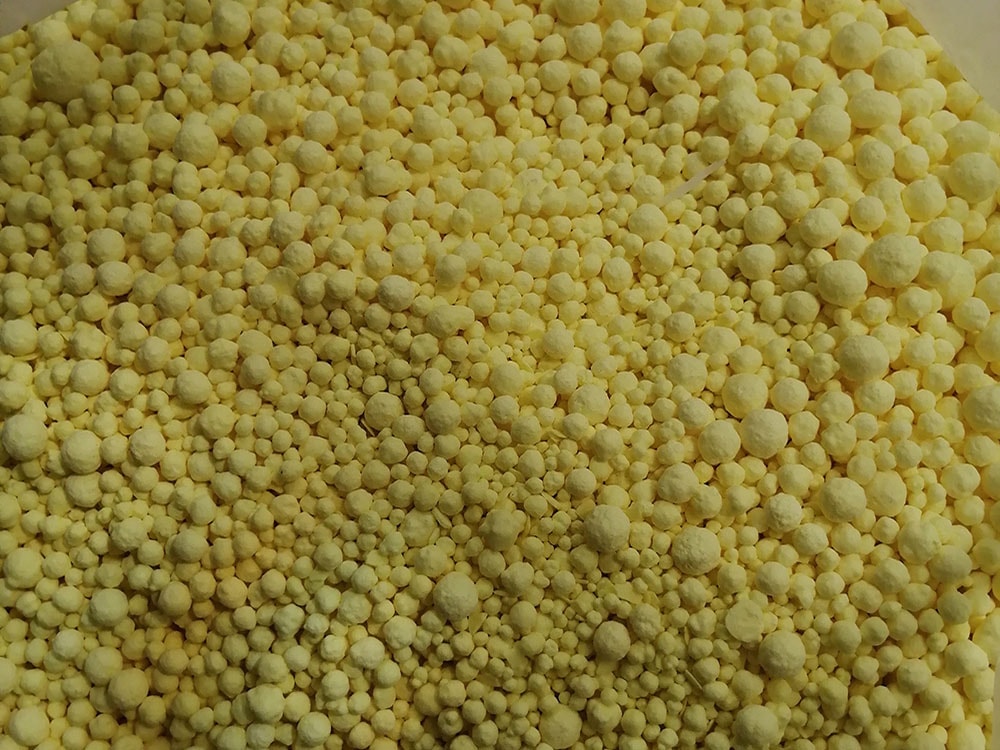
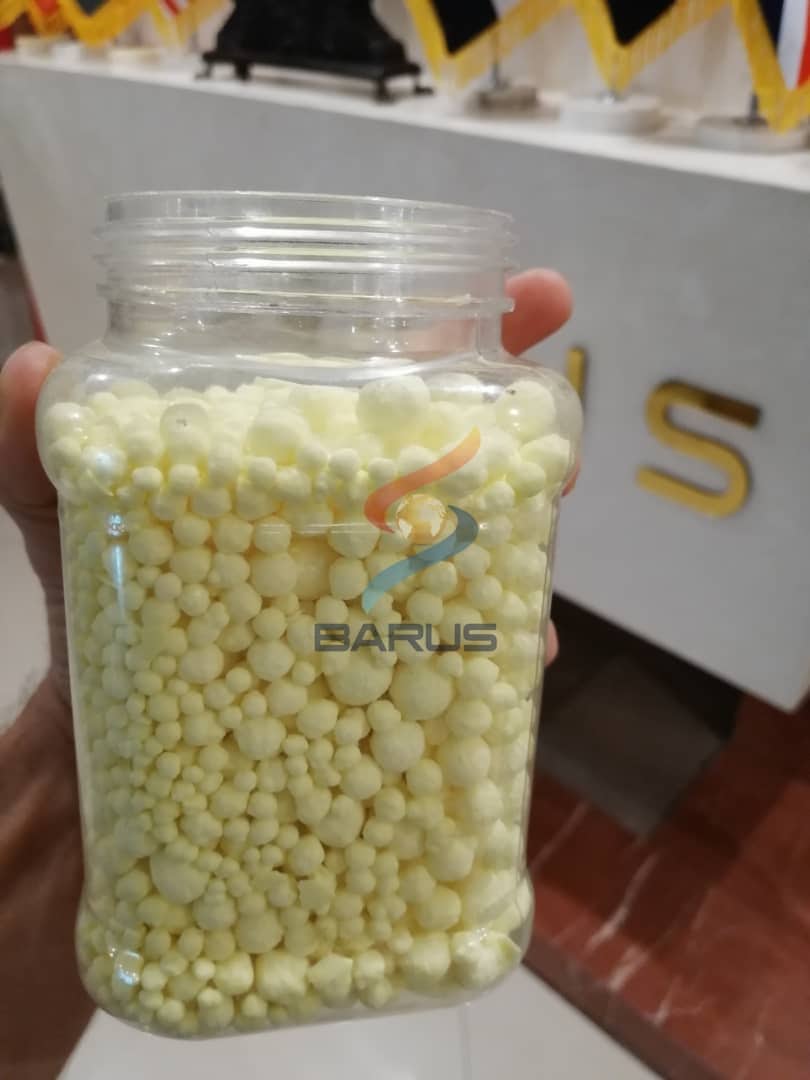
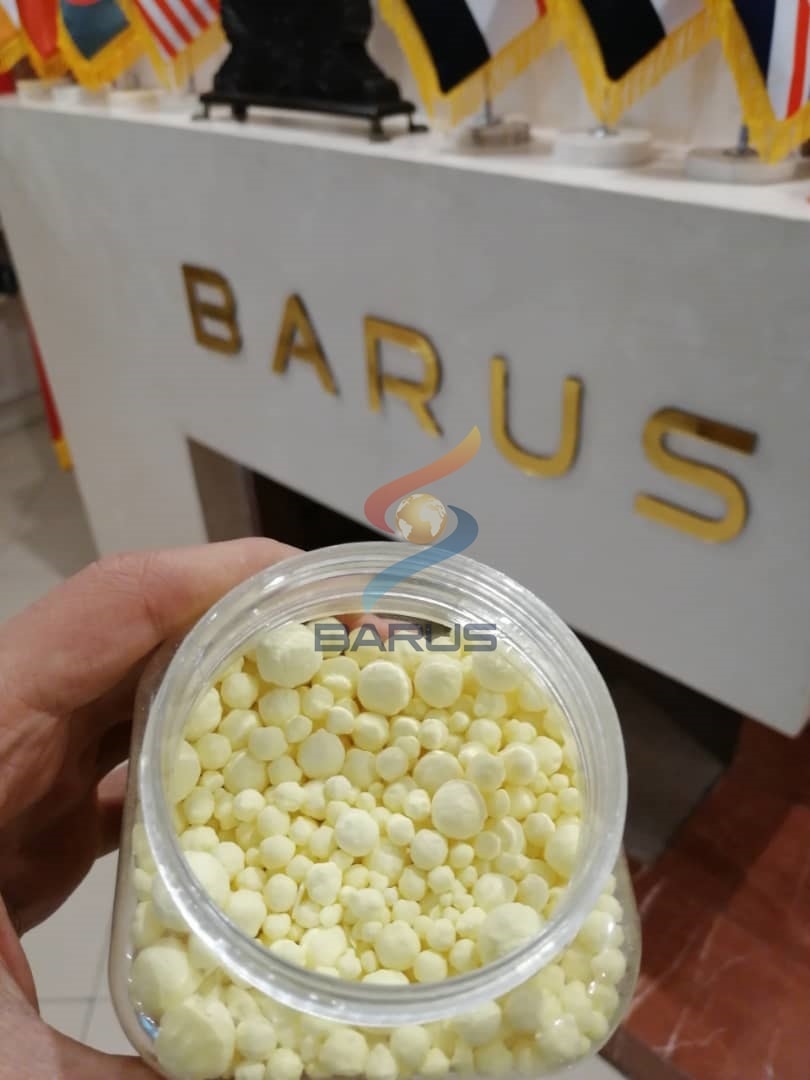
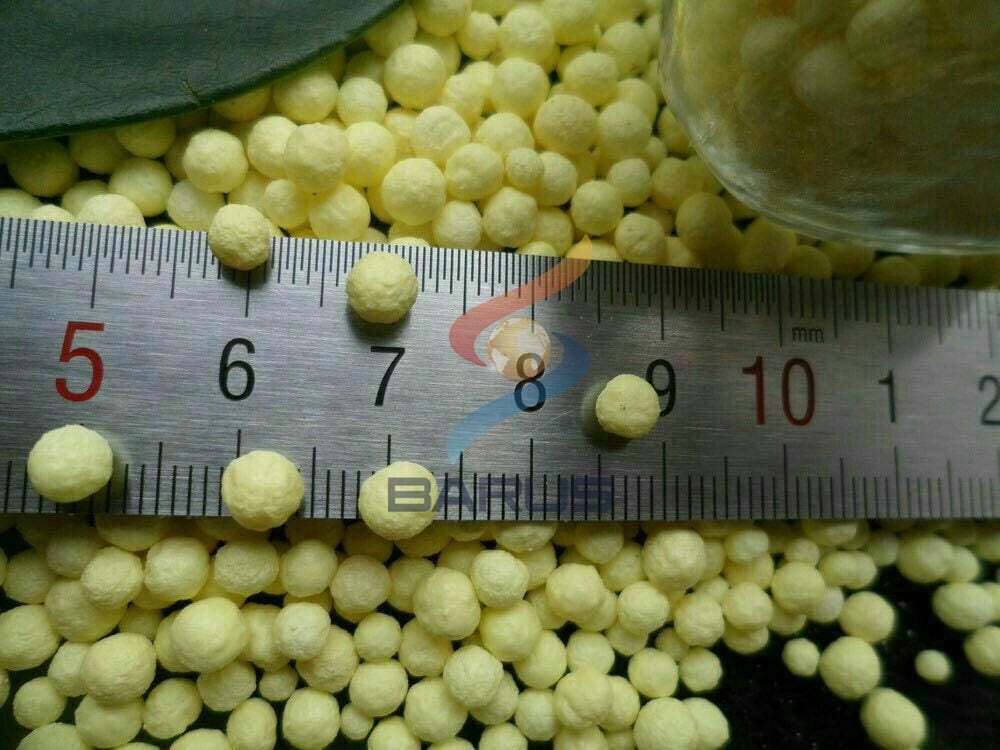
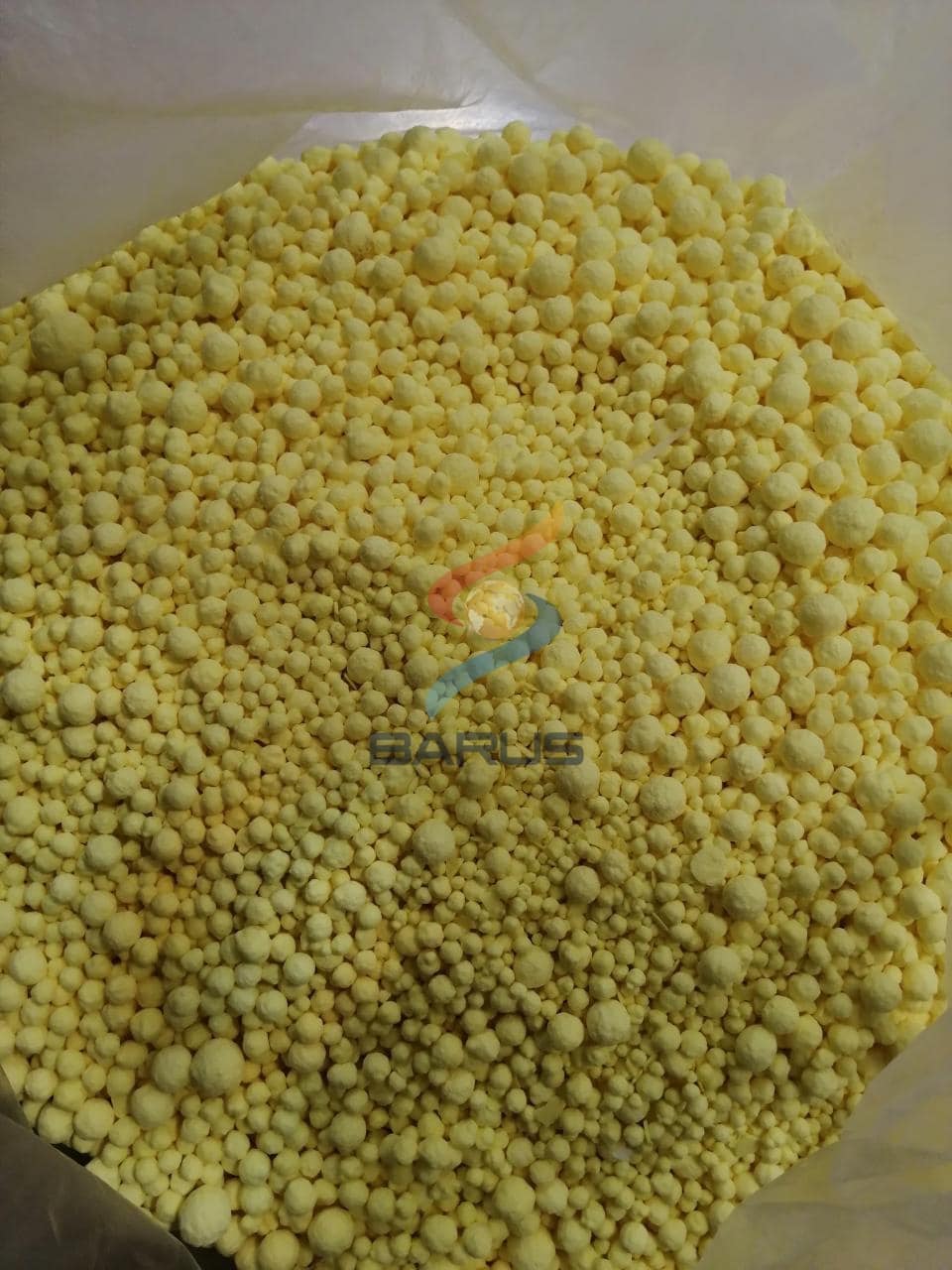
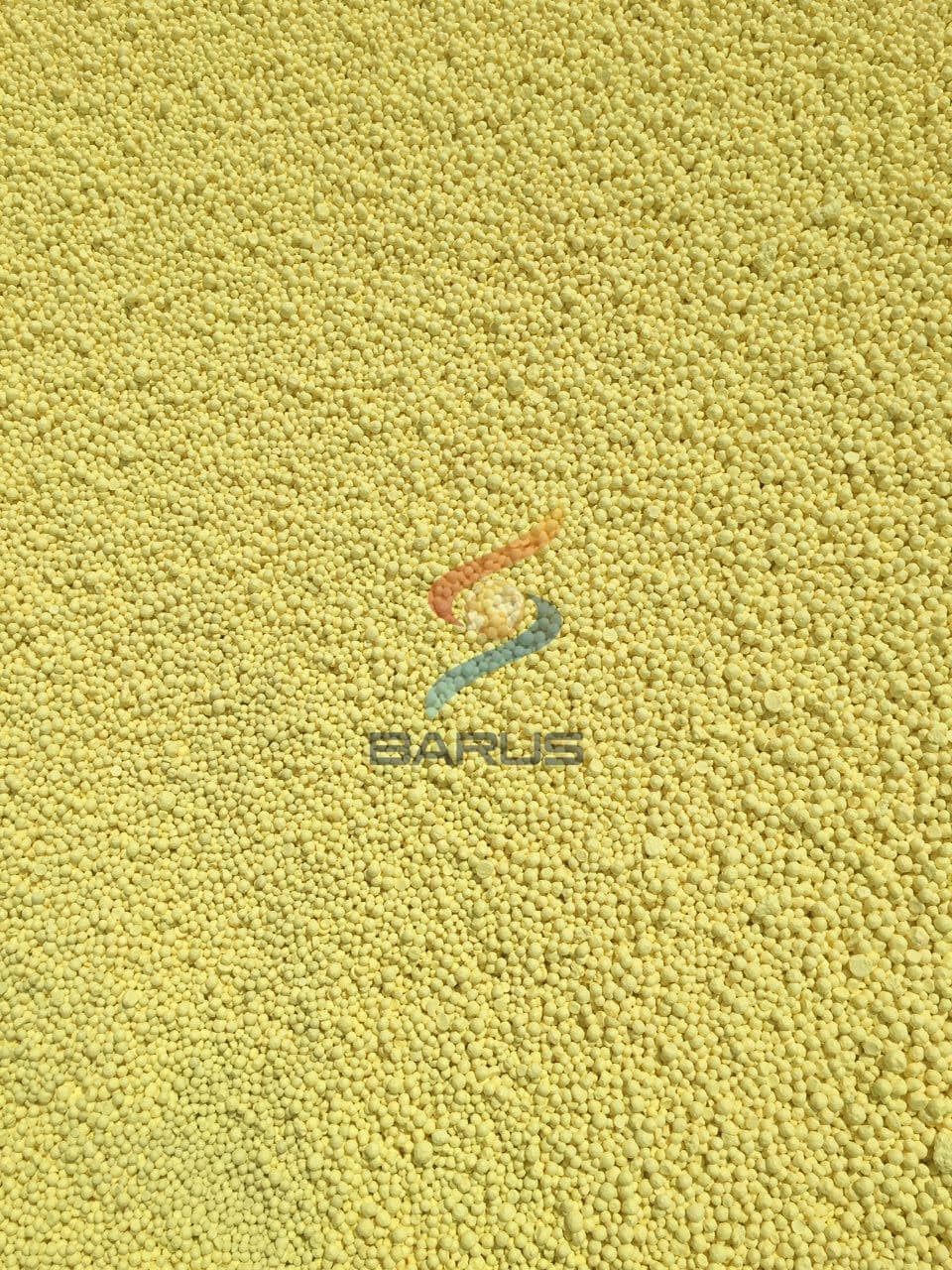
Granular sulfur consists of small yellow particles that quickly disperse or break down in the soil. Its physical form is solid, and as expected, it has a sulfuric odor. The material is soft, easily crumbles, and is insoluble in water, although it does dissolve in some organic solvents such as carbon disulfide. Moreover, sulfur has a low melting point, making it easy to melt.

How Sulfur Granule Is Made?

Some people ask how sulfur was discovered or who discovered sulfur. Sulfur has been known since ancient times, even being mentioned in the Bible under the name “brimstone.” Interestingly, sulfur is also referenced in Avestan texts. In those times, sulfur water was given to the accused to drink to prove or disprove their guilt. If the person survived after drinking sulfur water, they were deemed innocent. In the late 1770s, Antoine Lavoisier was able to convince the scientific community that sulfur is an element, not a compound.

Some may ask how sulfur is made today. There are two methods for sulphur manufacturing: extracting sulfur from natural resources and producing sulfur from oil and gas. In the mining method, raw sulfur is extracted from mines. In the industrial method, sulfur is obtained through the processes of hydrodesulfurization, the Claus process, and sulfur melting and granulation.

Now, let’s answer the question: how is granular sulfur produced today? Granular sulfur is manufactured through various processes, with the main goal being the transformation of liquid sulfur into small, uniform granules.

To produce granular sulfur, the process begins by melting sulfur in special boilers until it becomes liquid. Liquid sulfur obtained from refineries or natural sources can also be used directly in the production process.

In the second step, the molten sulfur is pumped into a granulation machine. The liquid sulfur is sprayed into a rotating drum, which spins at a specific speed. Upon contact with the cold surface of the drum and exposure to water or air, the molten sulfur rapidly cools and forms into small granules. By adjusting the drum’s rotation speed, the temperature of the liquid sulfur, and the amount of water or air used, the size of the granules can be controlled.

The produced granules are then separated from any remaining materials and transferred to a drying section. After drying, the granules are cooled and coated with an appropriate material to prevent them from sticking together. Finally, the cooled granules are packaged in bags or barrels, ready to be marketed.

Sulphur Granules Uses in Various Industries

Granular sulfur is used across a variety of industries, and its applications continue to grow. Below are some of the key industries where sulphur pellets or sulfur lumps are utilized:

1. Agriculture

In agriculture, granular sulfur is used to lower the pH of alkaline soils and enhance the absorption of nutrients by plants. Additionally, it acts as a natural fungicide to control certain fungal diseases. Another important property of sulfur that increases its use in agriculture is its ability to improve the quality of crops in terms of taste, color, and size.

2. Chemical Industry

One of the most significant applications of granular sulfur in the chemical industry is the production of sulfuric acid. Sulfuric acid is a strong and widely used industrial acid involved in the production of many other chemicals, fertilizers, dyes, batteries, and more. Sulfur is also directly or in compound forms, such as ammonium sulfate and potassium sulfate, used in fertilizer production. These fertilizers are crucial for meeting the sulfur needs of plants and improving soil quality. Granular sulfur is also used in producing many organic chemicals like pesticides, synthetic rubber, dyes, and detergents.

3. Rubber Industry

Sulfur is used as a vulcanizing agent in rubber manufacturing, imparting properties such as strength and flexibility to the rubber. Vulcanization is a process where raw rubber is combined with sulfur at high temperatures. This process creates cross-links between the polymer chains in the rubber, transforming it from a sticky, soft material into a durable, flexible product that is resistant to heat, tension, and wear.

4. Paper Industry

While granular sulfur is not directly used in paper production, it plays a key role in sulfuric acid production, which is a crucial raw material for papermaking. Sulfuric acid, along with other chemicals, is used to remove lignin and other impurities from wood pulp and bleach the paper, resulting in brighter and whiter paper. Additionally, sulfuric acid is used to produce aluminum sulfate (alum), which acts as a sizing agent in papermaking, giving paper greater resistance to water and ink.

5. Pharmaceutical Industry

Certain sulfur compounds are used as raw materials in the synthesis of various medications. For example, sulfonamides, a group of antibiotics, contain sulfur. Additionally, sulfur compounds may be added to pharmaceutical formulations to improve their physical or chemical properties. Some sulfur compounds also have antioxidant properties and are used in the production of dietary supplements and antioxidant medications.

Benefits of Using Granular Sulfur in Agriculture

One of the common questions about granular sulfur is: What are the benefits of granular sulfur fertilizer in agriculture? Below are some of the key advantages of using this fertilizer in the agricultural industry:

1. Improvement of Soil Quality

One of the major benefits of granular sulfur in agriculture is its ability to enhance soil quality. Sulfur reduces the pH of alkaline soils, making it easier for plants to absorb essential nutrients. Additionally, sulfur improves the soil structure, increasing its permeability. When soil permeability improves and its pH decreases, the soil becomes a favorable environment for beneficial microorganisms, thereby increasing soil fertility.

2. Enhancing Crop Health

Granular sulfur improves soil conditions, allowing plants to better absorb nutrients like iron, zinc, and manganese, which are vital for plant growth. Additionally, sulfur has antifungal and antibacterial properties, helping plants resist diseases. Sulfur also plays a role in improving crop quality in terms of taste, color, and size.

3. Eco-Friendly and Natural

Granular sulfur is a natural product, making it environmentally friendly. Its use does not harm the environment, and it helps plants become more resilient to environmental stresses such as salinity, drought, and cold.

How to Use Sulfur Granule Fertilizer?

For wheat, 400 to 600 kilograms of granular sulfur should be applied per hectare. For rice, 300 to 400 kilograms per hectare, and for corn, 200 to 300 kilograms per hectare are recommended.

There are two main methods for applying this fertilizer: foliar spraying and irrigation. Foliar spraying is the most common method for fruit trees. In this method, the sulfur solution is applied in early spring before bud break, and again in autumn after leaf fall. The irrigation method is used for larger fruit trees that are difficult to spray. The sulfur solution is applied through irrigation during the growing season.

Granular Sulfur Price

The granular sulphur price depends on various factors such as the cost of raw materials, the reputation of the manufacturer, the equipment used for production, labor costs, and packaging and shipping expenses. Ishtar Company, as one of the leading suppliers of granular sulfur, strives to provide this product with excellent quality at competitive prices, ensuring customers receive both high-quality and cost-effective solutions. Additionally, the price of granular sulfur at Ishtar varies depending on the volume of the customer’s order and is negotiable.

If you would like to inquire about the current price of granular sulfur at Ishtar Company, contact (+971) 524403255, and the company’s experts will provide you with the latest pricing information.

Purchase High-Quality Sulfur Granule from Ishtar Company: A Leading Granular Sulfur Supplier in the Middle East

Currently, numerous companies around the world are involved in the production of granular sulfur, and naturally, various suppliers distribute this product to the market. However, the quality of sulfur granules offered by these companies is not always the same. If you want to achieve the best results in your industry, it is advisable to purchase granular sulfur from leading, reputable, and professional suppliers.

One such company specializing in the bulk supply of granular sulfur is Ishtar Company. Since 2007, Ishtar has been active in this field, collaborating with the best granular sulfur producers worldwide. Ishtar Company strives to source this product at excellent quality and reasonable prices, distributing it across the Middle East.

Ishtar offers sulfur granular in bulk, packaged in large 1-ton bags, with pricing negotiable depending on the order volume. Payments can be arranged through negotiable terms or T/T and DLC. The shipping options include CIF, CFR, CPT, and FCA. The minimum order volume for purchasing granular sulfur from Ishtar is set at 100 tons.

If you are interested in purchasing granular sulfur or would like more information about this product, simply contact (+971) 524403255, and the company’s experts will assist you with placing your order or answering any questions you may have.

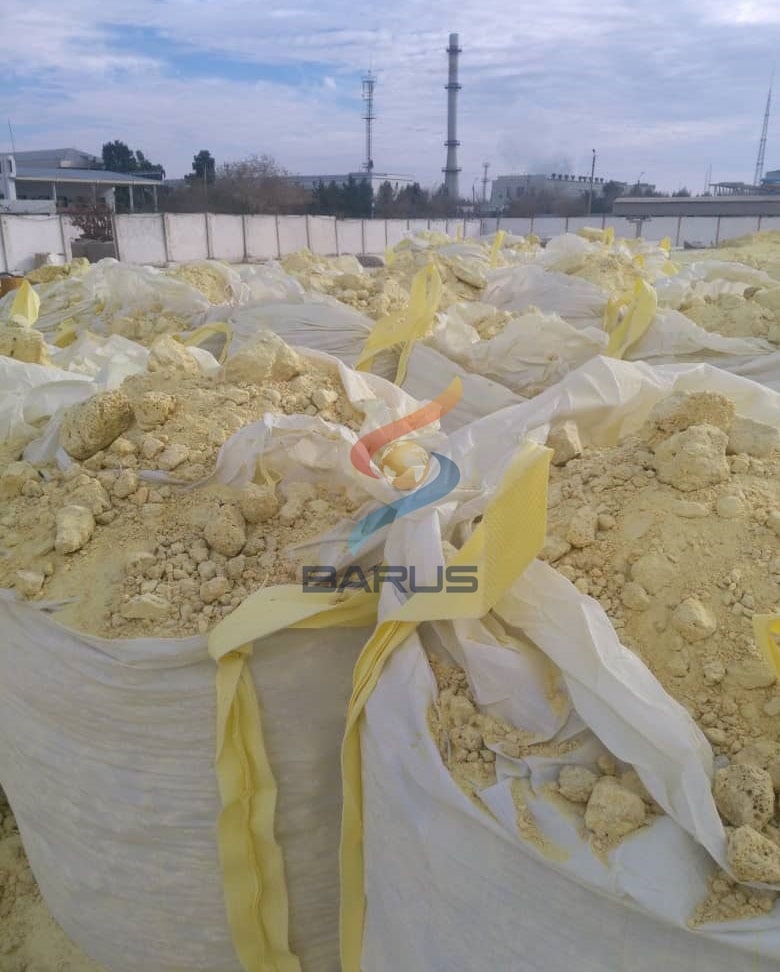
Ishtar Company is able to supply the highest quality granular or lump sulfur at a competitive price for different parts of the world.
For more videos and information about some of our projects you can visit our YouTube channel at the below link:
Category
Similar products
Do you have any enquiry?

Do not hesitate to contact us or submit a business enquiry online.

Download

Turkmenistan Sulfur
Uzbekistan Sulfur
Iran Sulfur