Ethylene Dichloride (EDC) is among the most useful chemical products used mainly in the industry as an intermediate for the production of PVC and other compound chemical products.
Ishtar Company is one of the best manufacturers and suppliers of Ethylene Dichloride (EDC), from Asia to America and Europe, we produce and supply EDC in different packages based on your needs and personal requests.
In this article from Ishtar Company, we will explore the Ethylene Dichloride (EDC) product in detail. If you want to order your needed EDC, please contact our sales experts at Ishtar Company.
ETHYLENE DICHLORIDE (EDC) PRODUCT DESCRIPTION
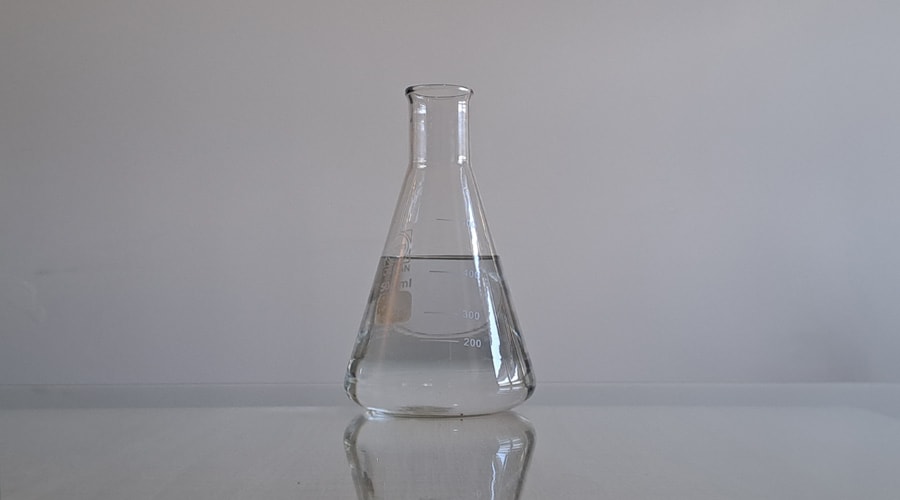
Ethylene Dichloride (EDC) known as one of the most useful intermediate products in the industry, is a liquid with no color that is extremely flammable and is used for the production of VCL, VCL itself is one of the main components for the production of PVC resin that is used widely in the tubes and transfer of different products.
ETHYLENE DICHLORIDE (EDC) USES
Ethylene Dichloride (EDC) main use is in the production of Vinyl Chloride which is used for producing PVC resin.
Also aside from being an intermediate product for the production of different compound products, EDC is used as the solvent in the cleaning and metal industries.
Different Industries and companies use Ethylene Dichloride (EDC) as the intermediate for the production of their different products, that’s why the demand in the industry for the EDC is always very high and is growing more and more.
The production process of EDC is very simple and there are other different ways for the production of Ethylene Dichloride (EDC)
The price of EDC is very reasonable
Ethylene Dichloride (EDC) is used for the manufacturing of many chemical products, so you use this product in your different products
Customized packaging is available, as Ishtar Company is the leading and vast producer of the Ethylene Dichloride (EDC) in the world
ETHYLENE DICHLORIDE (EDC) PACKAGING
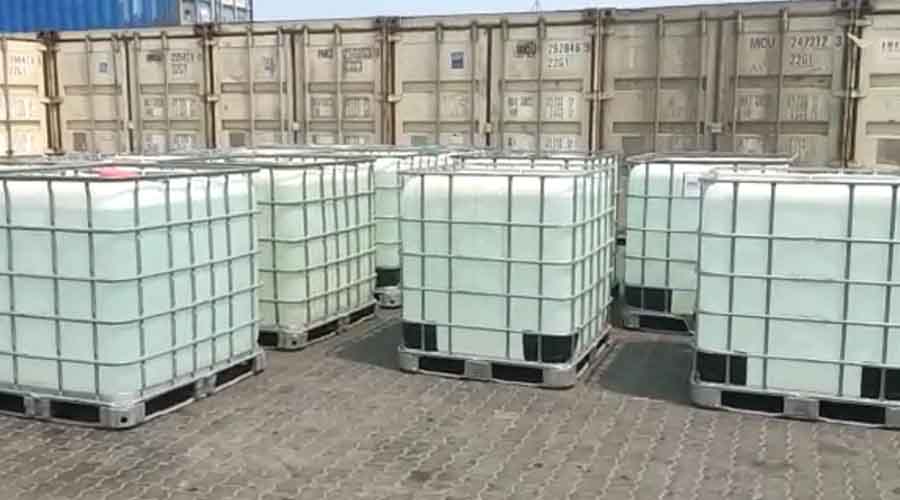
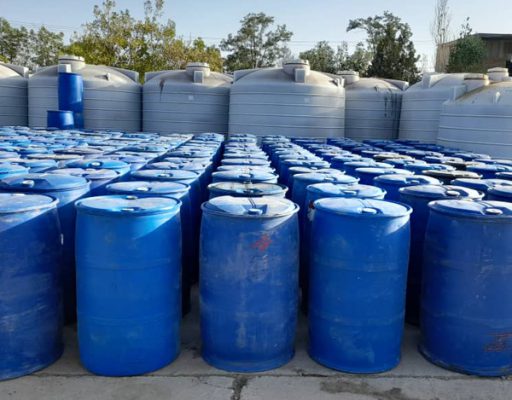
Ethylene Dichloride (EDC) packaging is available in different bags and packages based on your needs and personalized requests.
ETHYLENE DICHLORIDE (EDC) HEALTH & SAFETY
Please use this guide for using Ethylene Dichloride (EDC):
Ethylene Dichloride (EDC) is a toxic product and should be handled and managed with great care
EDC is flammable and workers should be trained professionally to use and transport EDC products in safety
Wearing appropriate gloves and personal protection equipment is mandatory for the health and safety of the workers that work with the Ethylene Dichloride (EDC) product
When using transfer facilities for the EDC transportation, make sure they are working well, clean, and without any problems
ETHYLENE DICHLORIDE (EDC) STORAGE
Ethylene Dichloride (EDC) must be stored in big tanks that have more capacity than the product
Storing tanks whether new or used for storing other products and now are using for the storage of the EDC, must be water tested, dry, drained, and without any leaks and problems, so make sure that EDC storage tanks are completely safe and secure
For the bulk storage of the Ethylene Dichloride (EDC) containers must be constructed from mild, carbon, and stainless steel. Aluminum and wetted metals must not be used for the storage of the Ethylene Dichloride (EDC)
Storage tanks should meet the international standards and laws for their construction from API Standard 650 and Welded Tanks For Oil Storage, and …
Ethylene Dichloride (EDC) must be stored in a dry, and dark place away from direct sunlight and radiation, including UV
ETHYLENE DICHLORIDE (EDC) PRICES IN 2022
Ethylene Dichloride (EDC) demands are high, this is one of the most practical chemical products in the industry.
EDC prices per ton are variable daily due to market changes and rapid changes in the world in different aspects, for knowing the latest prices per ton of the EDC, please contact our sales team at Ishtar Company.
Ishtar Company is one of the leading manufacturers and suppliers of Ethylene Dichloride (EDC) with the most competitive prices and highest quality in the world.
Ishtar Company is able to supply Ethylene Dichloride (EDC) at competitive prices